A Holistic Approach to Rural Development
Based on the principles of Truth and Non-violence, GAT works to create self-reliant communities
through education, sustainable livelihoods, and social harmony. We believe in the power of local wisdom
and the strength of village economies.
The core pillar of our work
Education
Education for Dignity and Opportunity
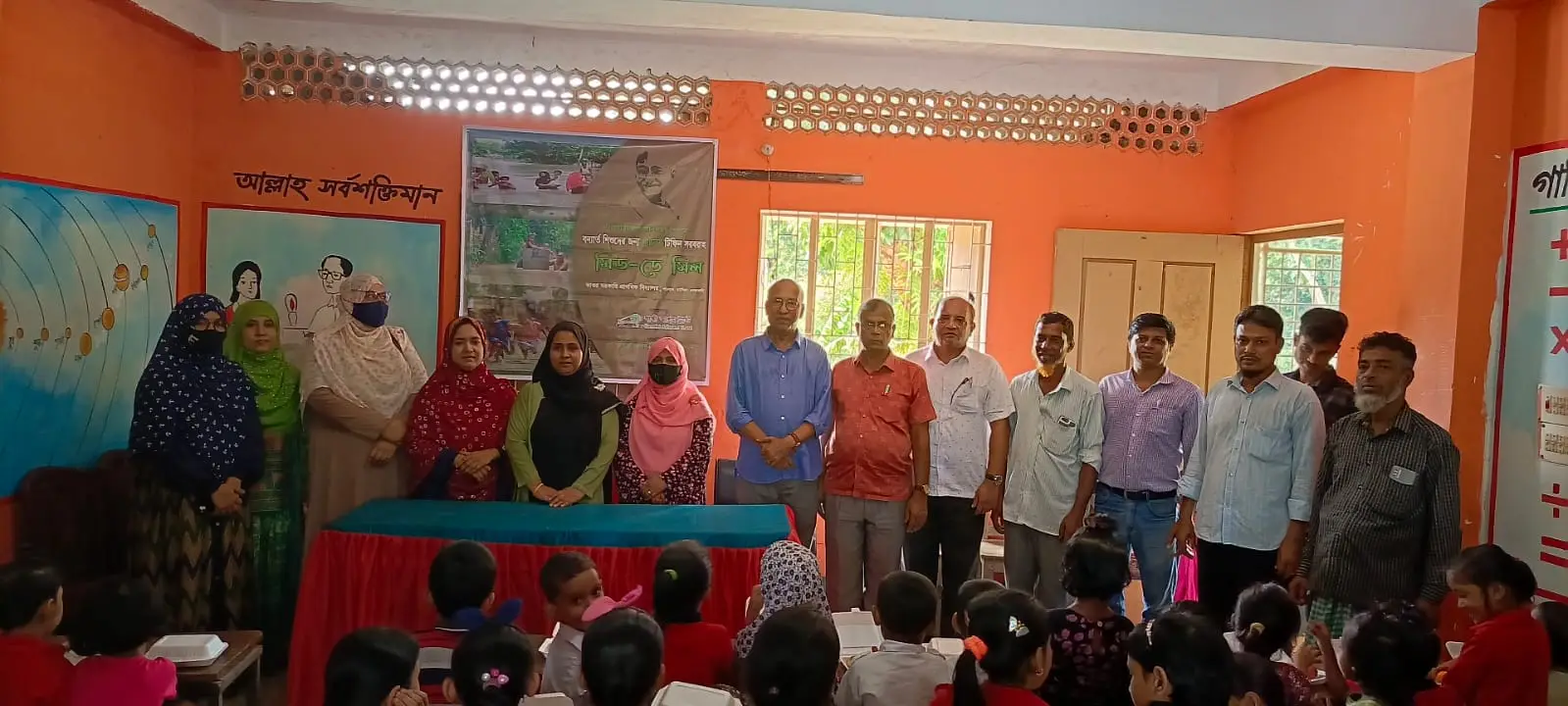
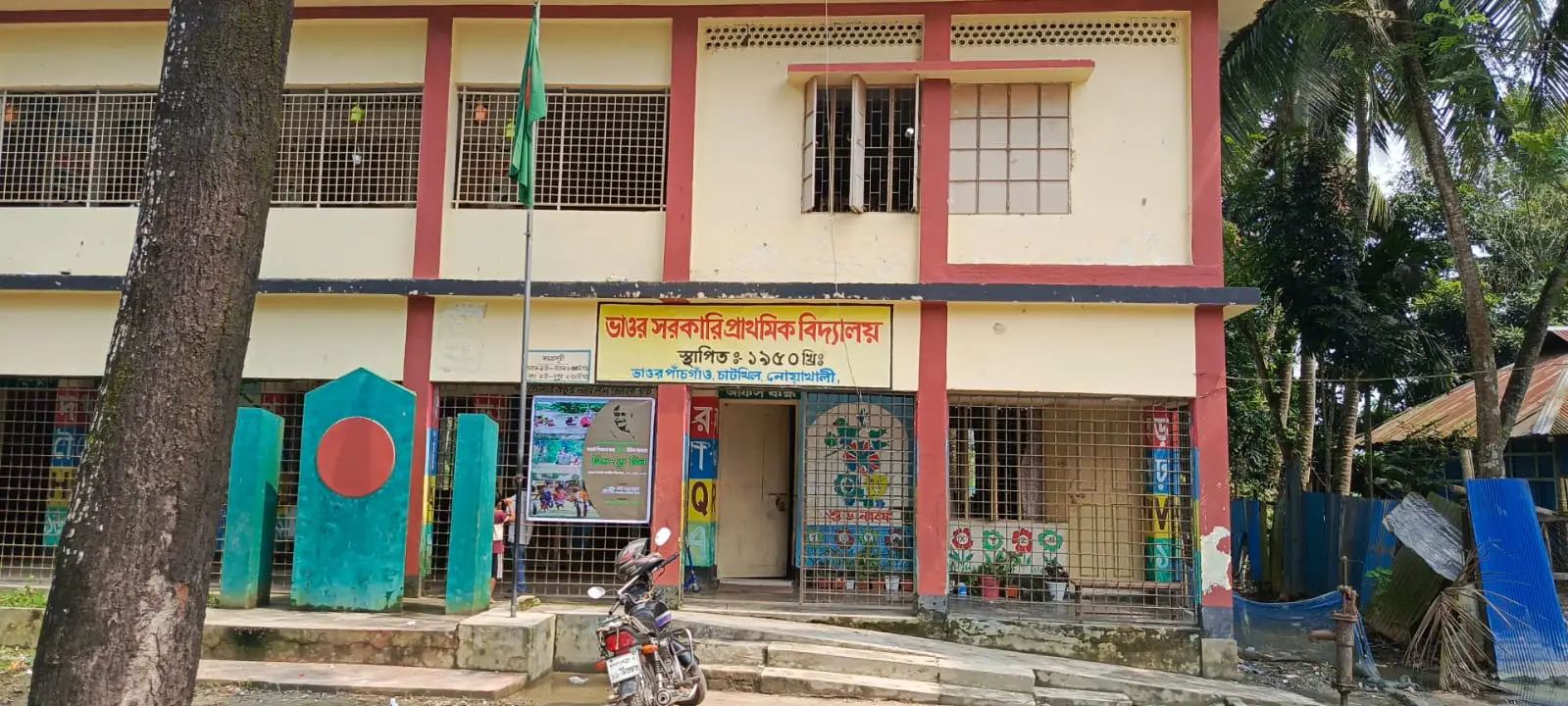
Gandhi Ashram Trust’s Education Program works to ensure that children from the poorest and most marginalized rural families have access to quality education in a safe and supportive environment. Established in 1947, the program follows Gandhian values of equality, dignity, and learning for all.
Through formal schooling, non-formal education, and adult learning initiatives, the program supports children, youth, and adults to build knowledge, confidence, and life skills. By focusing on holistic development and community involvement, the Education Program helps break the cycle of poverty and creates opportunities for a brighter, self-reliant future.
The Education Program currently serves hundreds of students through formal schooling and reaches thousands more through non-formal and adult education initiatives. By prioritizing children from disadvantaged backgrounds, the program helps improve literacy, school retention, and community awareness. Over the years, it has played a vital role in empowering learners to become responsible individuals who contribute positively to their families and society.
Handicrafts & Khadi
Preserving Heritage, Empowering Artisans
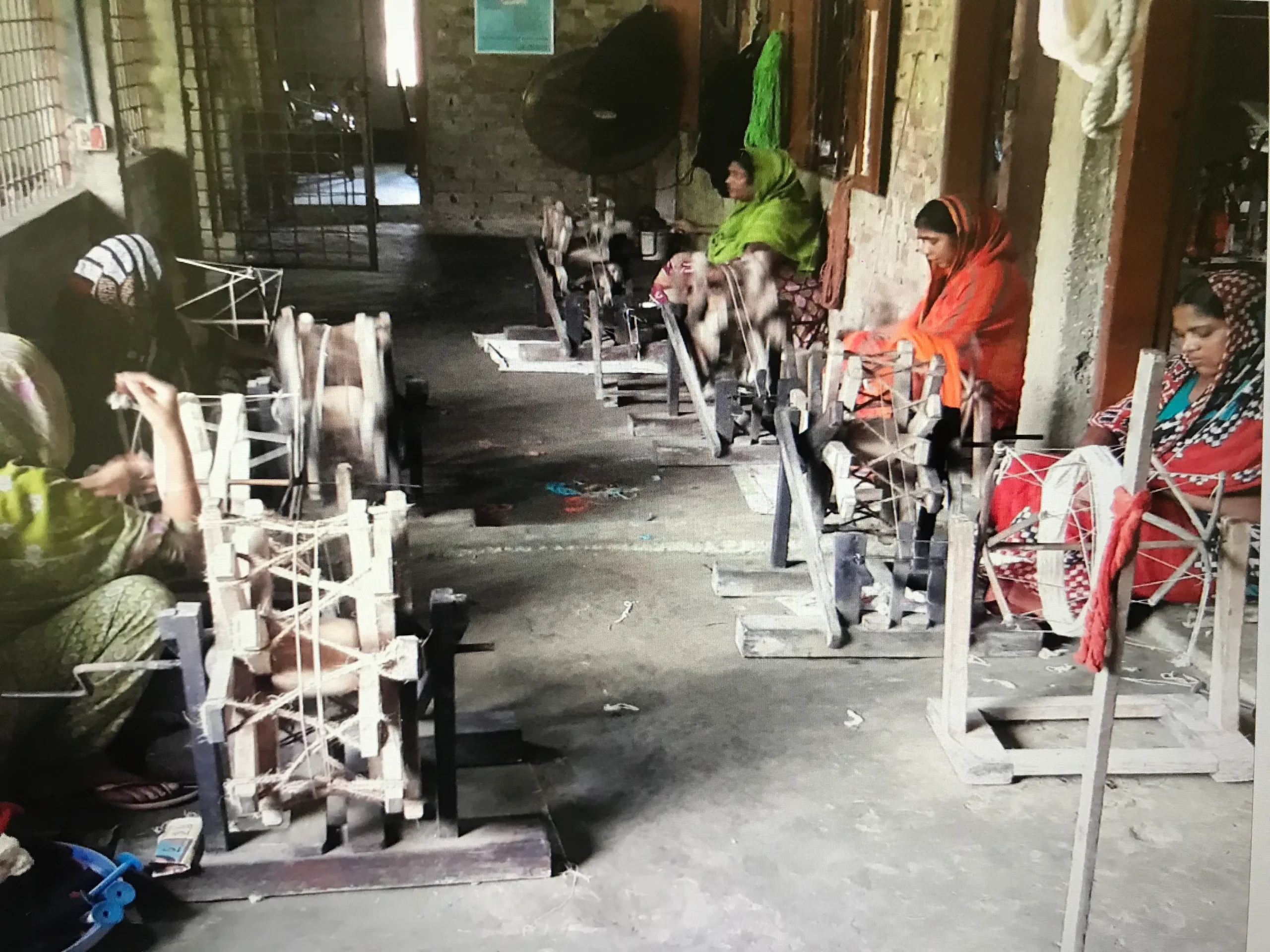
Gandhi Ashram Trust’s Handicrafts & Khadi Program works to preserve traditional skills while creating sustainable livelihoods for rural artisans, especially women. Rooted in Gandhian philosophy, the program promotes khadi production, handloom weaving, spinning, and traditional craftsmanship as a dignified source of income.
Through innovation such as vegetable dye research and design development, the program blends heritage with sustainability. By strengthening local artisan communities and promoting eco-friendly practices, this initiative not only protects cultural traditions but also empowers artisans to achieve economic independence and social dignity.
By strengthening local artisan groups and market opportunities, the program supports economic independence and social dignity. It enables artisans—particularly women—to gain confidence, leadership, and financial stability while preserving a living tradition of Gandhian self-reliance.
Agriculture & Environment
Nurturing Nature, Sustaining Lives
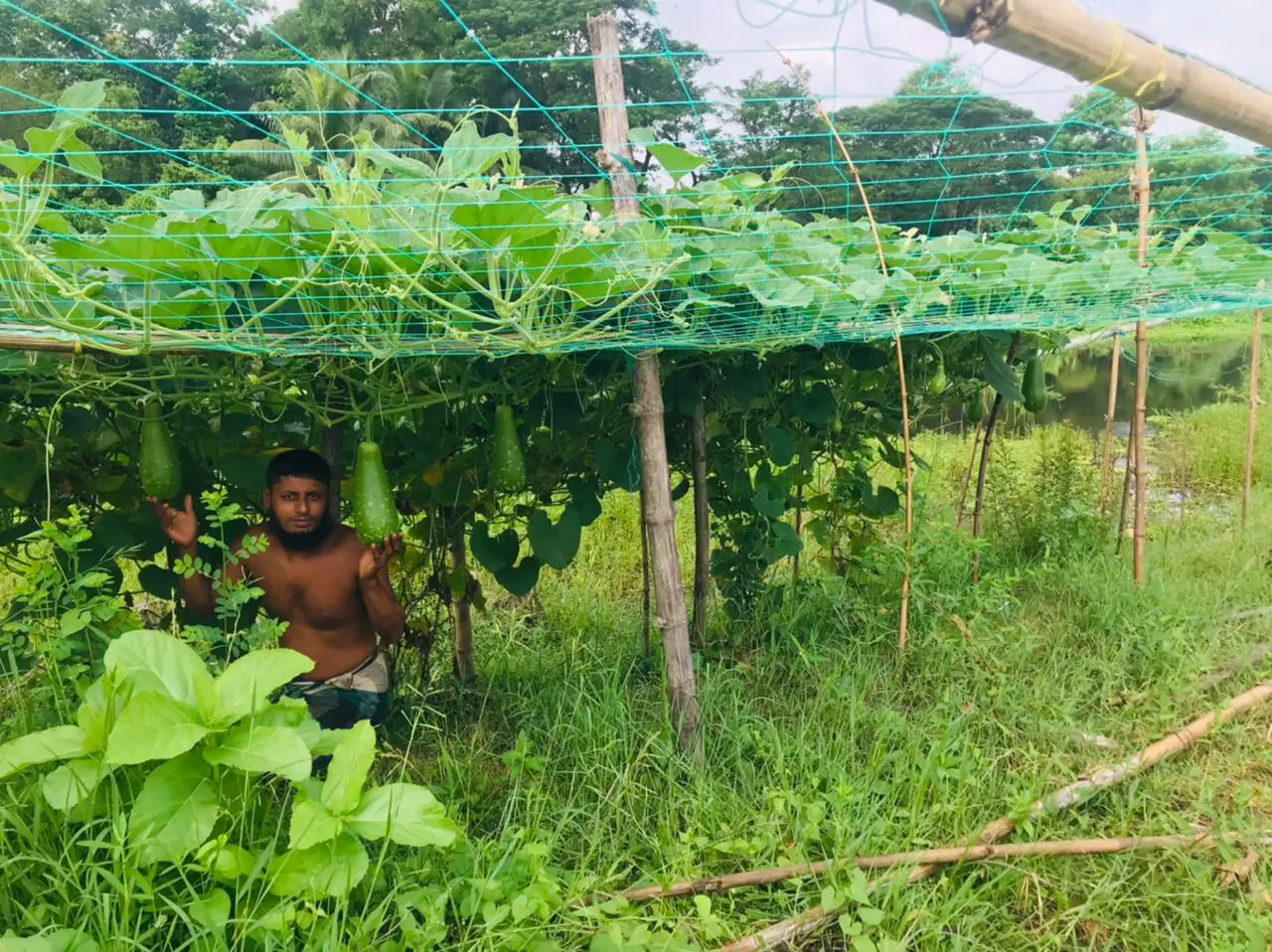
The Agriculture & Environment Program of Gandhi Ashram Trust focuses on promoting sustainable farming practices while protecting the natural environment. Rooted in respect for nature and self-reliance, the program supports eco-friendly agriculture that improves soil health, conserves water, and ensures long-term food security for rural communities
Through training, awareness programs, and hands-on support, the initiative encourages organic farming, traditional cultivation methods, seed preservation, and climate-resilient agricultural practices. Farmers are guided to reduce dependency on harmful chemicals and adopt natural alternatives that are both cost-effective and environmentally responsible.
By integrating environmental conservation with livelihood development, this program empowers farmers to achieve sustainable incomes while becoming stewards of nature. It strengthens rural resilience, promotes biodiversity, and upholds Gandhian values of harmony between humans and the environment.
Human Rights & Good Governance
Promoting Justice, Equity, and Accountable Leadership
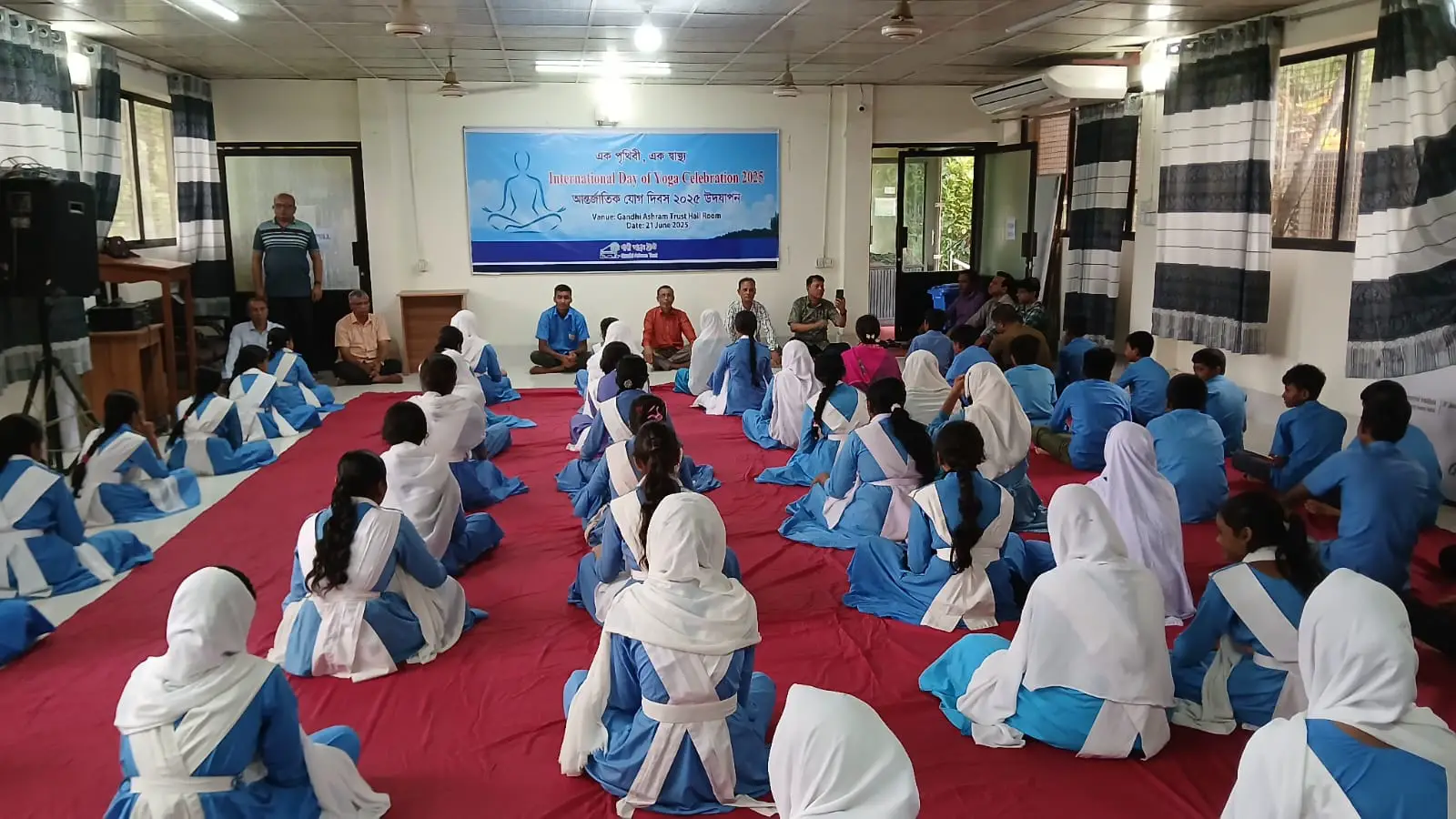
The Human Rights & Good Governance Program of Gandhi Ashram Trust is dedicated to promoting justice, equality, and transparency within communities. Guided by Gandhian principles of truth and non-violence, the program works to raise awareness of fundamental human rights and strengthen democratic values at the grassroots level.
Through education, advocacy, and community engagement, the initiative empowers citizens—especially women, youth, and marginalized groups—to understand their rights and responsibilities. It also supports capacity-building for local institutions, encouraging participatory decision-making, ethical leadership, and accountable governance.
By fostering a culture of fairness and responsibility, this program helps build inclusive societies where voices are heard, rights are protected, and governance systems serve the people with integrity and compassion.
Income Generation & Microcredit
Empowering Communities Through Sustainable Livelihoods
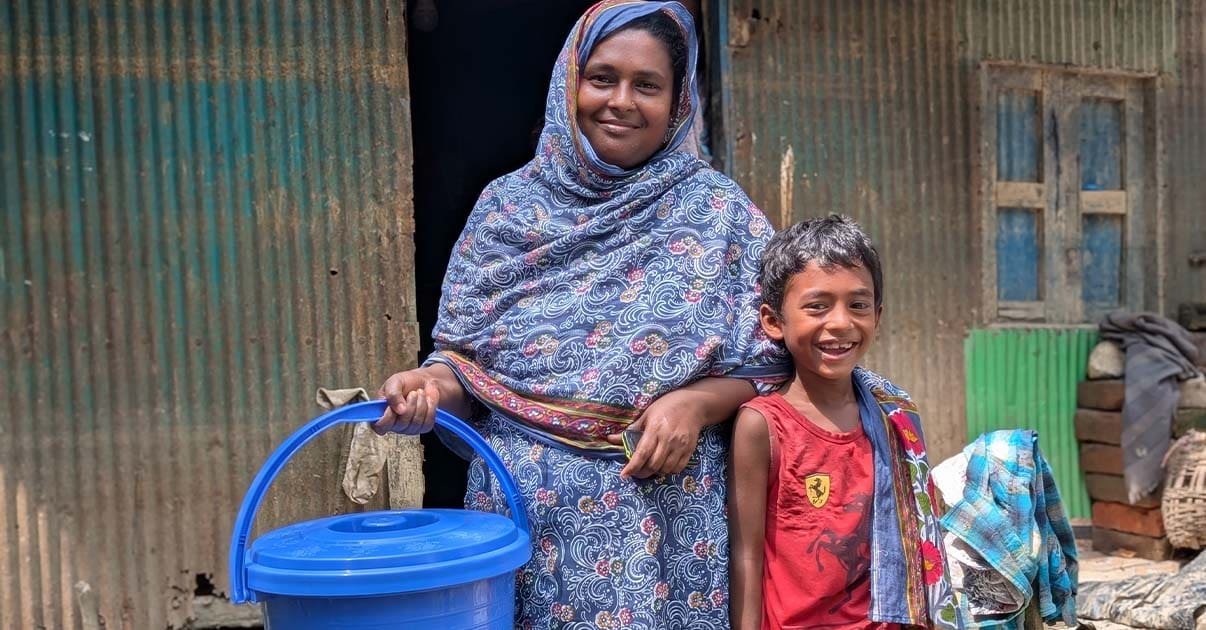
The Income Generation & Microcredit Program of Gandhi Ashram Trust aims to reduce poverty by creating sustainable economic opportunities for disadvantaged communities. Rooted in self-reliance and dignity of labor, the program supports individuals—especially women and low-income families—to develop income-generating skills and access financial resources.
Through small loans, savings initiatives, and entrepreneurship training, beneficiaries are encouraged to start or expand micro-enterprises such as handicrafts, agriculture-based activities, and small businesses. Alongside financial support, the program provides guidance on financial literacy, responsible borrowing, and business management.
By strengthening economic independence and resilience, this initiative helps families improve their living standards, build confidence, and move towards a secure and self-sustained future.
Peace Campaign
Promoting Harmony, Dialogue, and Non-Violence
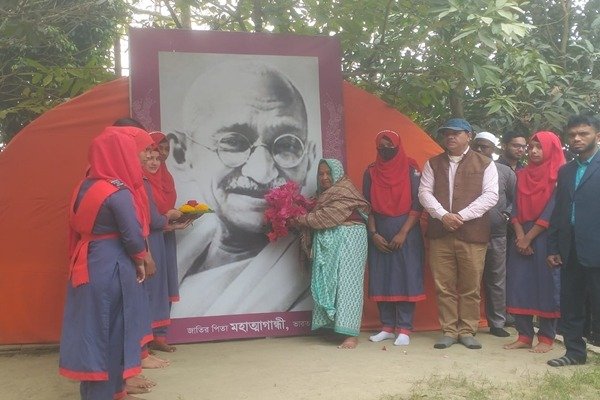
The Peace Campaign of Gandhi Ashram Trust is dedicated to promoting non-violence, tolerance, and mutual respect in society. Guided by Gandhian ideals of truth and peaceful resistance, the program works to reduce conflict and encourage harmony among individuals and communities from diverse social and cultural backgrounds.
Through awareness programs, peace workshops, youth leadership training, and community dialogues, the campaign addresses issues such as discrimination, intolerance, and social division at the grassroots level. Special focus is given to engaging young people as agents of change who can lead peaceful initiatives within their communities.
By fostering values of empathy, justice, and active citizenship, the Peace Campaign helps build inclusive and resilient communities. The program encourages people to resolve conflicts through dialogue and cooperation, contributing to long-term social stability and a peaceful, just society.
Victim Support & ADR
Education for Dignity and Opportunity
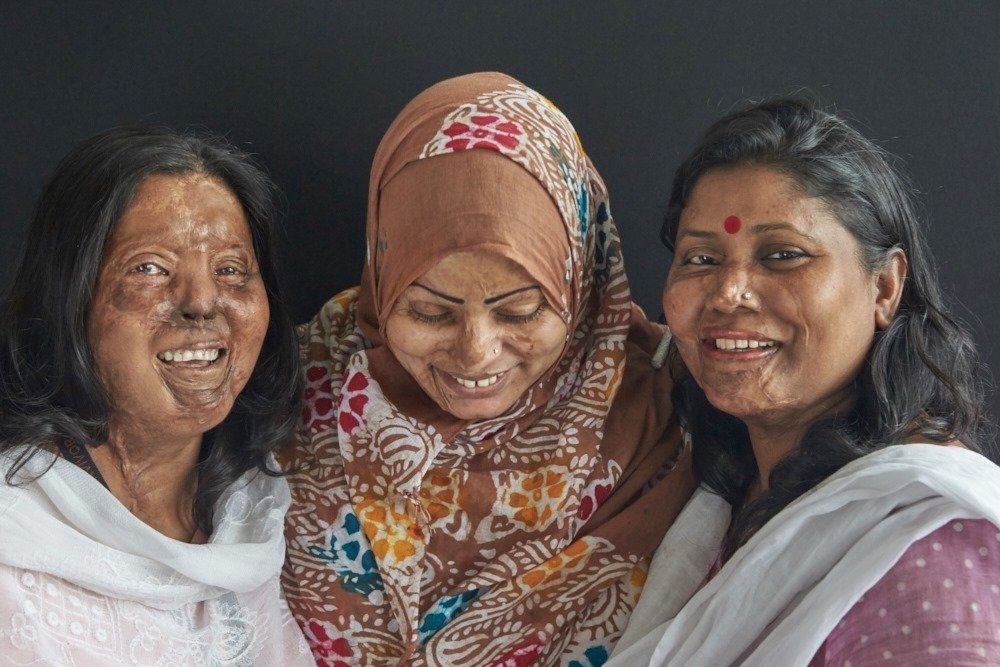
The Victim Support & ADR Program of Gandhi Ashram Trust works to protect the rights and dignity of vulnerable individuals affected by violence, injustice, and social exclusion. The program provides legal awareness, counseling, and guidance to help victims understand their rights and access fair and timely justice.
Through Alternative Dispute Resolution (ADR) mechanisms such as mediation, negotiation, and community-based arbitration, the program helps resolve conflicts peacefully without lengthy legal processes. These approaches reduce social tension, save time and resources, and promote mutual understanding between conflicting parties.
By combining victim support services with peaceful conflict resolution, the program empowers individuals to rebuild their lives with confidence and dignity. The initiative strengthens community trust, encourages accountability, and contributes to a more just, inclusive, and harmonious society.
ICT Resource Center
Empowering Communities Through Digital Access and Skills
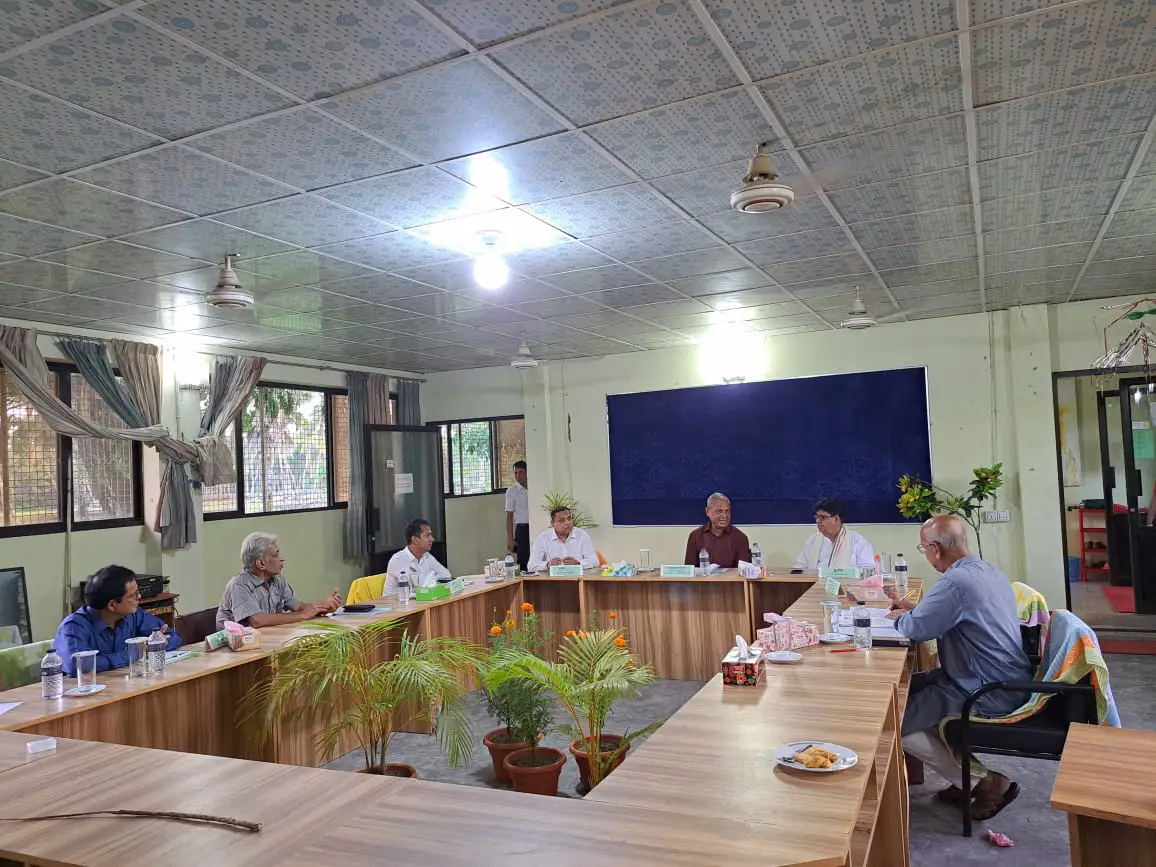
The ICT Resource Center of Gandhi Ashram Trust provides access to computers, internet facilities, and essential digital tools for underserved rural and marginalized communities. The center helps bridge the digital divide by creating a safe and inclusive space where learners can explore technology and information.
Through training programs on basic computer skills, internet usage, and practical ICT applications, the center equips students, youth, and adults with valuable digital knowledge. These skills enhance employability, support education, and enable individuals to confidently participate in today’s digital world.
By promoting continuous learning and responsible use of technology, the ICT Resource Center encourages innovation and self-reliance. The program supports education, entrepreneurship, and community development, empowering individuals to improve their livelihoods and connect with wider opportunities through technology.
Fisheries
Sustaining Livelihoods Through Responsible Aquaculture
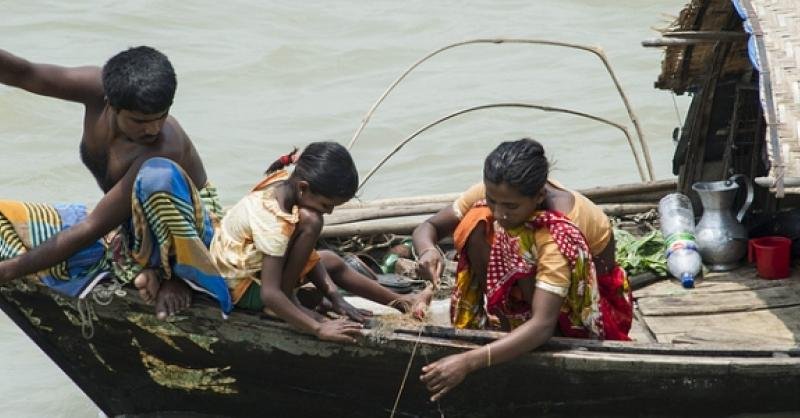
The Fisheries Program of Gandhi Ashram Trust promotes sustainable and eco-friendly fish farming methods to support rural livelihoods. By encouraging responsible aquaculture, the program helps communities increase fish production while protecting natural water resources and biodiversity.
Through hands-on training, technical guidance, and awareness sessions, the program equips small-scale fish farmers with knowledge on pond management, fish breeding, feeding techniques, and disease control. These skills improve productivity, reduce risk, and enhance income opportunities for rural families.
Beyond income generation, the Fisheries Program contributes to improved nutrition and food security by increasing access to protein-rich food. By strengthening local economies and promoting self-reliance, the initiative supports healthier, more resilient communities aligned with sustainable development goals.
Group Formation & Social Mobilization
Empowering Communities Through Collective Action
The Group Formation & Social Mobilization Program of Gandhi Ashram Trust brings together marginalized individuals, particularly women, into cohesive groups to amplify their voices and influence local decision-making. By fostering solidarity and collaboration, the program strengthens community bonds and collective empowerment.
Through training, workshops, and mentorship, the program develops leadership skills among group members. Participants learn to engage with local governance, advocate for their rights, and take active roles in social, economic, and development initiatives, ensuring sustainable community participation.
By mobilizing groups at the grassroots level, the program has helped women and marginalized populations gain representation in local institutions, improve access to public services, and enhance overall community welfare. Collective action enables long-term social change and reinforces Gandhian values of participation, equity, and empowerment.
Museum Program
Preserving History, Inspiring Generations
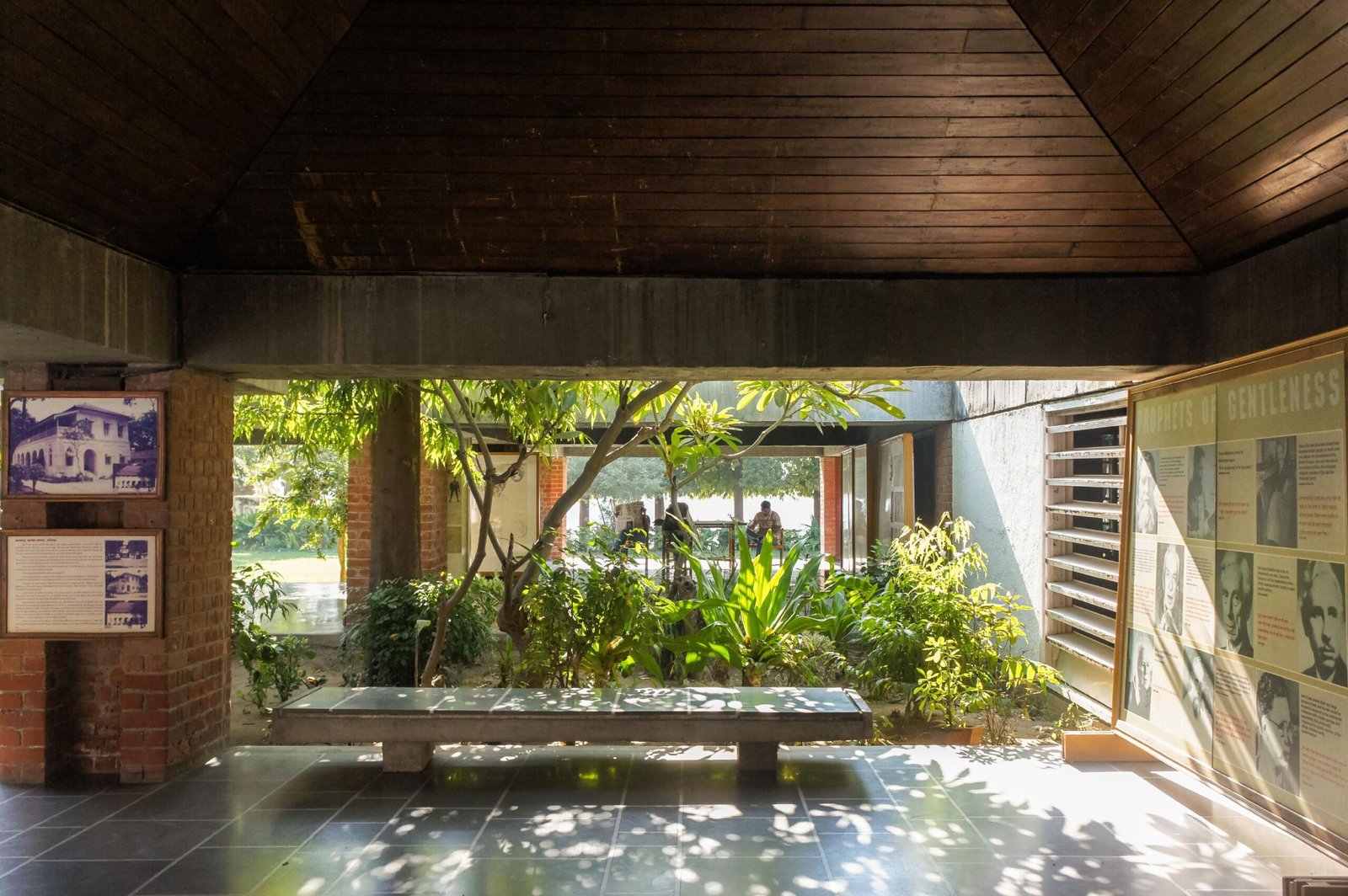
The Gandhi Museum Program of Gandhi Ashram Trust preserves the rich history of Mahatma Gandhi’s Noakhali mission and the evolution of the Ashram. The museum houses rare artifacts, letters, photographs, and documents that reflect Gandhian values, rural development, and peace-building efforts.
Through curated exhibitions, school visits, and cultural events, the museum serves as a learning hub for students, researchers, and visitors. It promotes understanding of Gandhian philosophy, history, and the importance of social harmony in contemporary society
By organizing guided tours, interactive sessions, and special events, the Museum Program connects local communities, scholars, and international visitors. It fosters awareness, appreciation, and active participation in preserving Gandhian heritage, while inspiring new generations to embrace values of peace, equality, and social responsibility.
Non-Formal Adult Education
Lifelong Learning for Empowerment
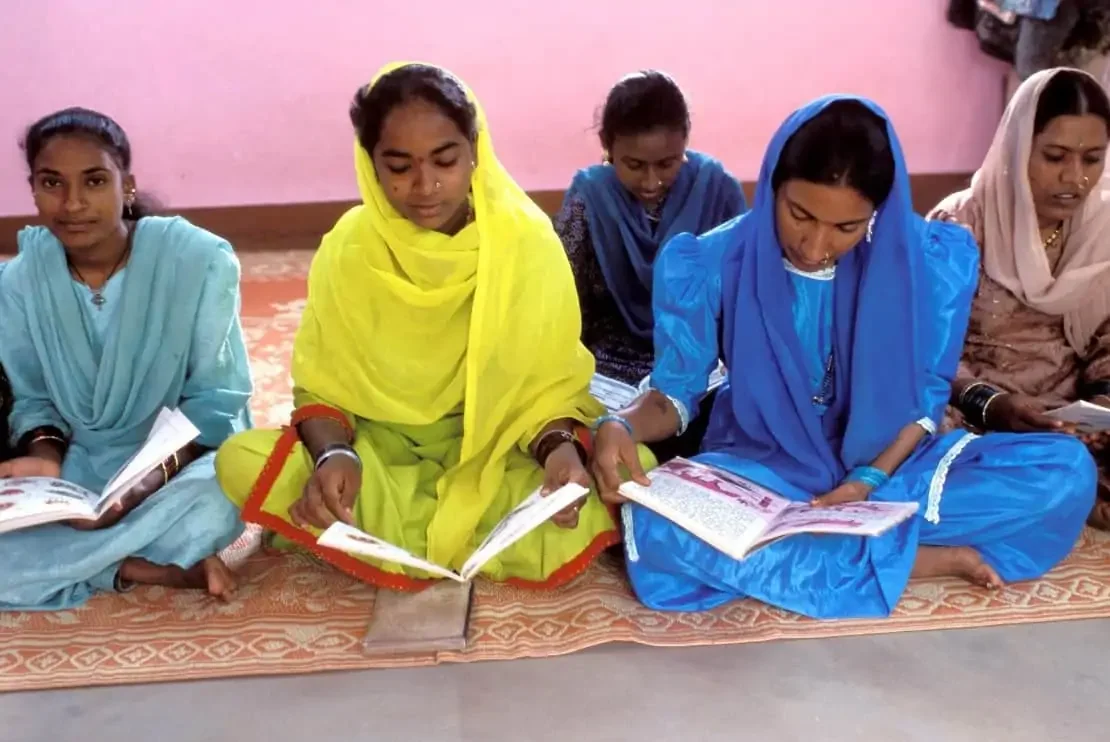
The Non-Formal Adult Education Program of Gandhi Ashram Trust provides learning opportunities for adults who missed formal schooling. Focused on literacy, numeracy, and life skills, the program ensures that rural adults—especially women and marginalized groups—gain the knowledge needed for personal growth and social participation.
Through vocational training, awareness sessions, and practical workshops, adults are equipped with skills to improve livelihoods, manage households effectively, and engage confidently in community activities. The program promotes self-reliance and builds practical competence for everyday life.
By empowering adults with knowledge and skills, the initiative strengthens communities and fosters social inclusion. Graduates of the program gain confidence, actively participate in decision-making, and contribute to the socio-economic development of their villages, creating a ripple effect of empowerment and change.
Support Our Programs
Your contribution helps us continue the mission of community empowerment, peace-building, and sustainable development. Join us in making a difference.